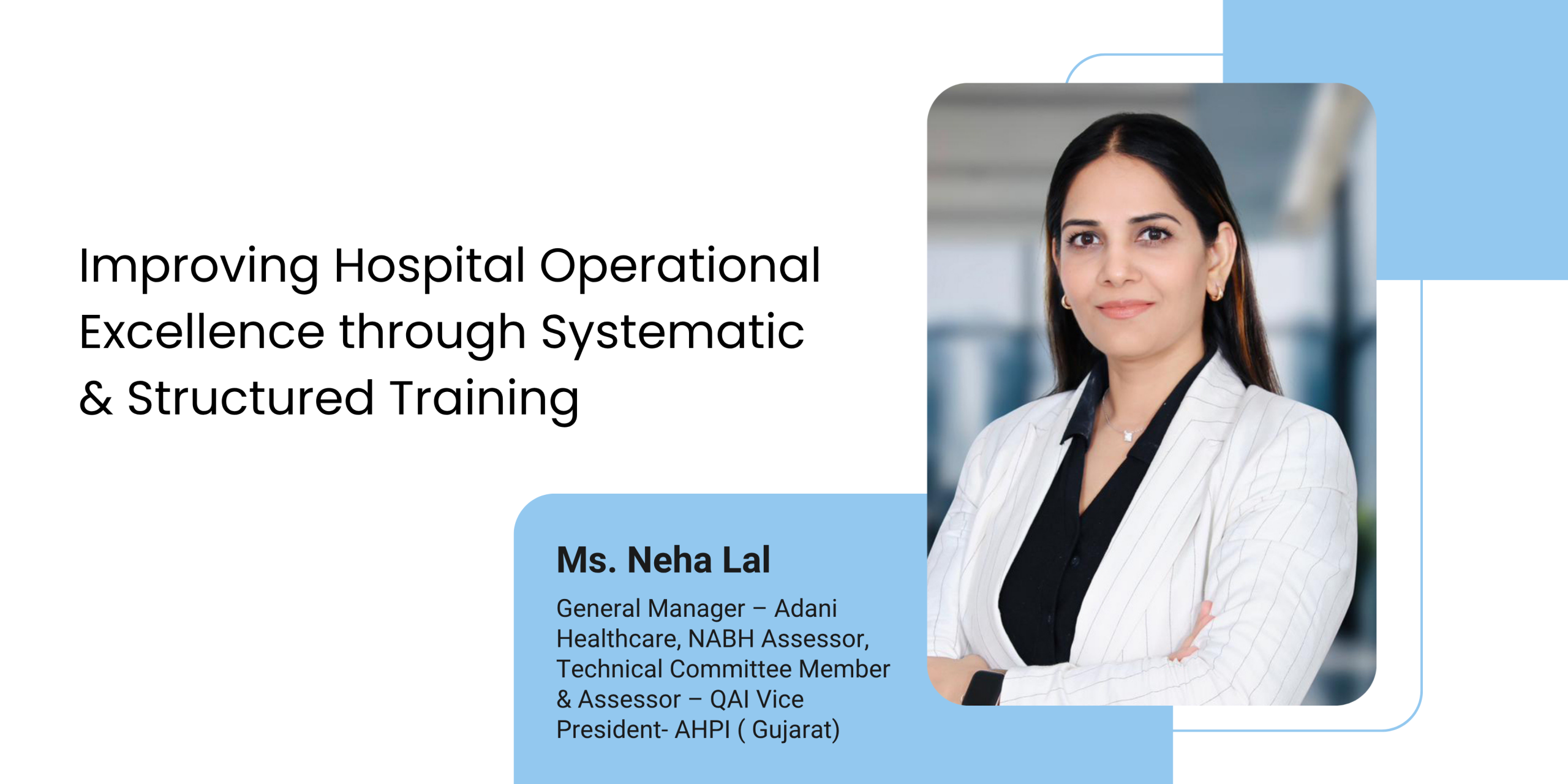
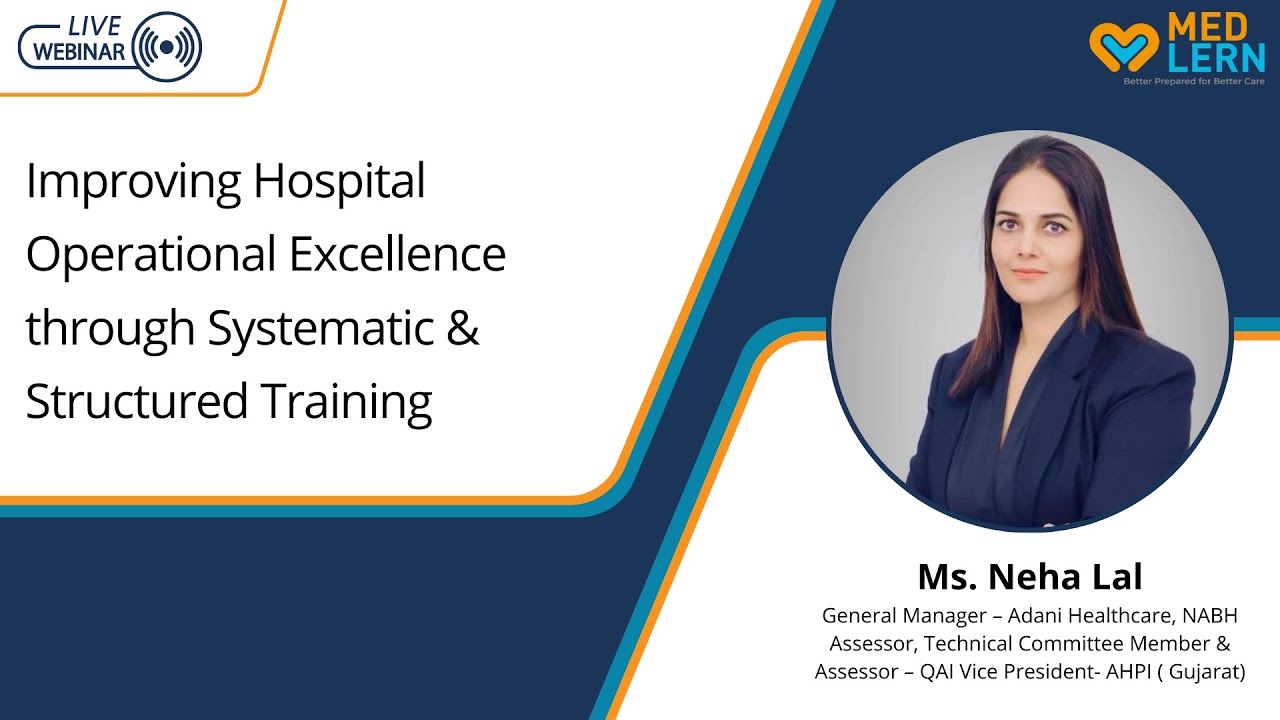
Improving Hospital Operational Excellence through Systematic & Structured Training
Introduction
Operational excellence in healthcare is achieved when people, processes, and systems work together efficiently to deliver high-quality patient care. This webinar explores how systematic and structured training programs can drive operational excellence by enhancing workforce competency, standardizing processes, improving compliance, and fostering a culture of continuous improvement. Participants will gain practical insights into leveraging training as a strategic tool to improve organizational performance and healthcare outcomes.
Webinar Highlights
1. Understanding Operational Excellence in Healthcare
Learn the key principles of operational excellence and their role in improving efficiency, quality, and patient satisfaction.
2. The Role of Structured Training in Organizational Success
Discover how well-designed training programs contribute to workforce readiness, process consistency, and improved performance.
3. Building Competencies Across Healthcare Teams
Explore strategies for developing the knowledge, skills, and competencies required for effective healthcare delivery.
4. Standardizing Processes Through Learning
Understand how training helps establish standardized practices that reduce variability and improve operational outcomes.
5. Enhancing Quality, Safety, and Compliance
Learn how continuous training supports regulatory compliance, patient safety initiatives, and quality improvement efforts.
6. Creating a Culture of Continuous Improvement
Gain insights into fostering employee engagement, lifelong learning, and a mindset focused on operational excellence.
Closing Note
Sustainable operational excellence begins with a well-trained and empowered workforce. We hope this webinar provides valuable insights into how structured learning initiatives can strengthen organizational performance, enhance patient care, and support long-term success. Thank you for joining us and investing in the future of healthcare excellence.
Confidence & Charisma: Measuring Impact of Body Language in Communication
Effective communication extends far beyond words. Body language plays a critical role in shaping perceptions, building trust, and influencing professional interactions. This webinar explores how non-verbal communication impacts confidence, leadership presence, and workplace relationships. Through practical insights and real-world examples, participants gain a deeper understanding of how body language can enhance personal and professional effectiveness.
Webinar Highlights
1. Understanding the Power of Non-Verbal Communication
Learn how gestures, posture, facial expressions, and eye contact influence the way messages are received and interpreted.
2. Building Confidence Through Body Language
Discover techniques to project confidence, credibility, and professionalism in everyday interactions.
3. Developing Executive Presence and Charisma
Explore how effective body language contributes to leadership presence and helps create a lasting positive impression.
4. Recognizing and Interpreting Non-Verbal Cues
Understand how to read body language signals to improve communication, collaboration, and relationship-building.
5. Enhancing Workplace Communication
Gain practical strategies to strengthen presentations, meetings, team interactions, and stakeholder engagement through purposeful non-verbal communication.
6. Measuring the Impact of Body Language
Learn how body language affects influence, trust, engagement, and overall communication effectiveness in professional settings.
Closing Note
Mastering body language is an essential skill for anyone looking to communicate with greater confidence, clarity, and impact. We hope this webinar provides valuable insights that help you strengthen your professional presence, build meaningful connections, and communicate more effectively in every interaction. Thank you for joining us on this learning journey.